


How Bird Counts Help Protect India’s Wetlands
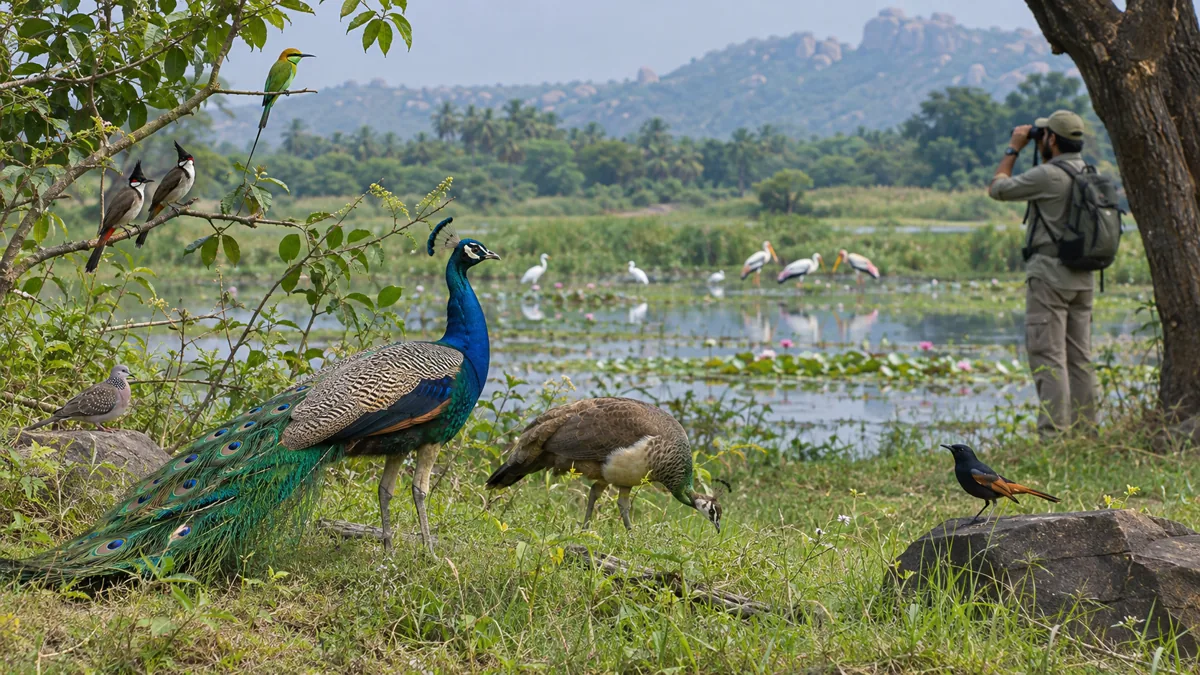
A field guide to the value of patient, repeatable bird observations.
A wetland is more than a birding stop
Lakes, marshes and estuaries support resident and migratory birds while serving nearby communities. Changes in water level, pollution and disturbance can alter the birds seen at a site. A single exciting sighting is memorable; repeated observations made in a consistent way are more useful for understanding change.
Why volunteers matter
The Asian Waterbird Census in India brings together birdwatchers and conservation groups to monitor waterbirds at wetlands. Its eBird project explains how participants can submit checklists under shared protocols. This lets observations from many places contribute to a broader picture than one field team could collect alone.
Make an observation useful
Record the location, date, time, duration and every species you can identify with confidence. Count individuals carefully, avoid double counting birds that circle the same pool and mark uncertain identifications honestly. A complete checklist, including common species, is often more valuable than a list of only rare birds.
Watch without disturbing
Keep a reasonable distance from nests and roosts, stay on permitted paths and use binoculars instead of approaching birds for a photograph. Wetland edges can be fragile. Patient watching gives better notes and a better experience for the wildlife you came to see.
Further reading: Official conservation resource.